Street sellers and private physicians fuel antibiotic overuse
Nature News ·
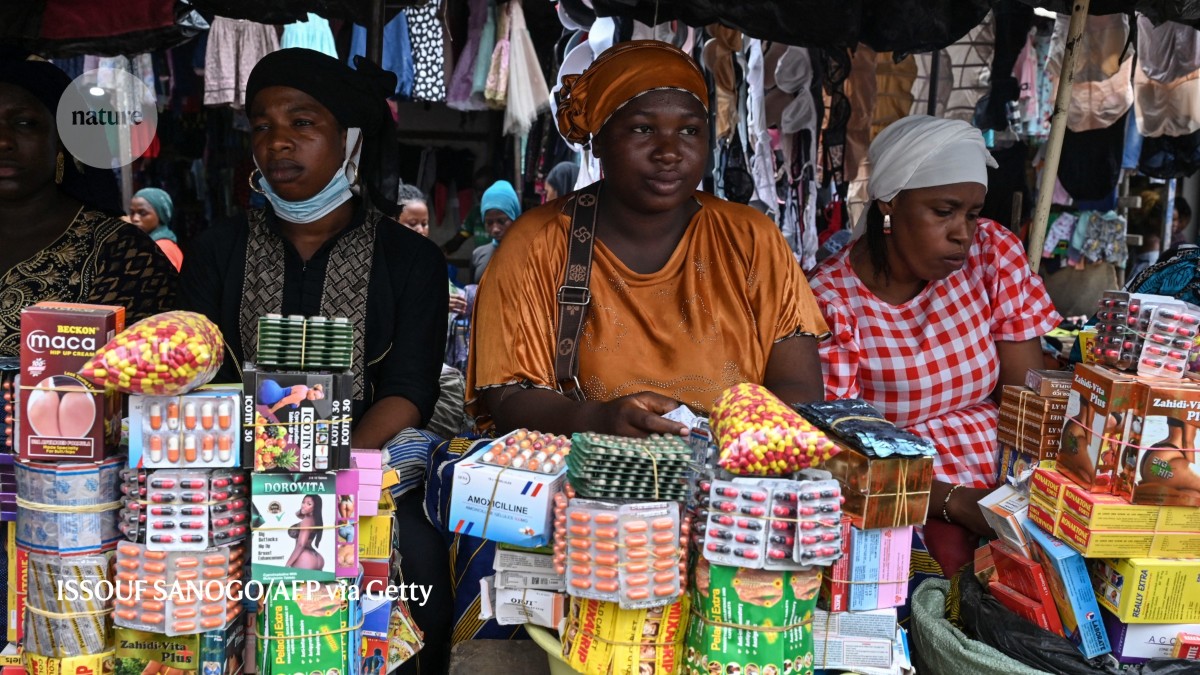
Street vendors sell medicines at a market in Abobo, Côte d’Ivoire. Credit: Issouf Sanogo/AFP via Getty At Ghana’s biggest hospital, even the strongest antibiotics are starting to fail. …
Street vendors sell medicines at a market in Abobo, Côte d’Ivoire. Credit: Issouf Sanogo/AFP via Getty At Ghana’s biggest hospital, even the strongest antibiotics are starting to fail. A big part of the reason is the rampant overprescription and overuse of these drugs in the West African country of 35 million people. Because many Ghanaians lack access to physicians, those who fall ill often end up buying antibiotics from unauthorized sellers instead. “We have people who go around carrying all sorts of things, who would mix them as concoctions and give them to patients who have no clue what is going on,” explains Antoinette Bediako-Bowan, a surgeon at the Korle Bu Teaching Hospital in Accra. By the time a person presents at the hospital, “they really have taken quite a number of antibiotics”, Bediako-Bowan says. Such liberal use of the drugs gives bacteria the opportunity to adapt, driving resistance. Nature Outlook: Antimicrobial resistance The World Health Organization (WHO) divides antibiotics into three categories under its Access, Watch and Reserve (AWaRe) system. Access antibiotics are used against common infections, watch antibiotics can fight a wider range of bacteria and reserve antibiotics are held back for the most dangerous pathogens. Bediako-Bowan says that in the hospital where she works, around 60% of patients have infections that can resist common access antibiotics, such as penicillins and first-generation cephalosporins. …
Original source: Nature News
Mentioned
Mediterranean · Côte d’Ivoire · Washington University · World Health Organization