NASA Langley Engineer Attends FAA Training
NASA Breaking News ·
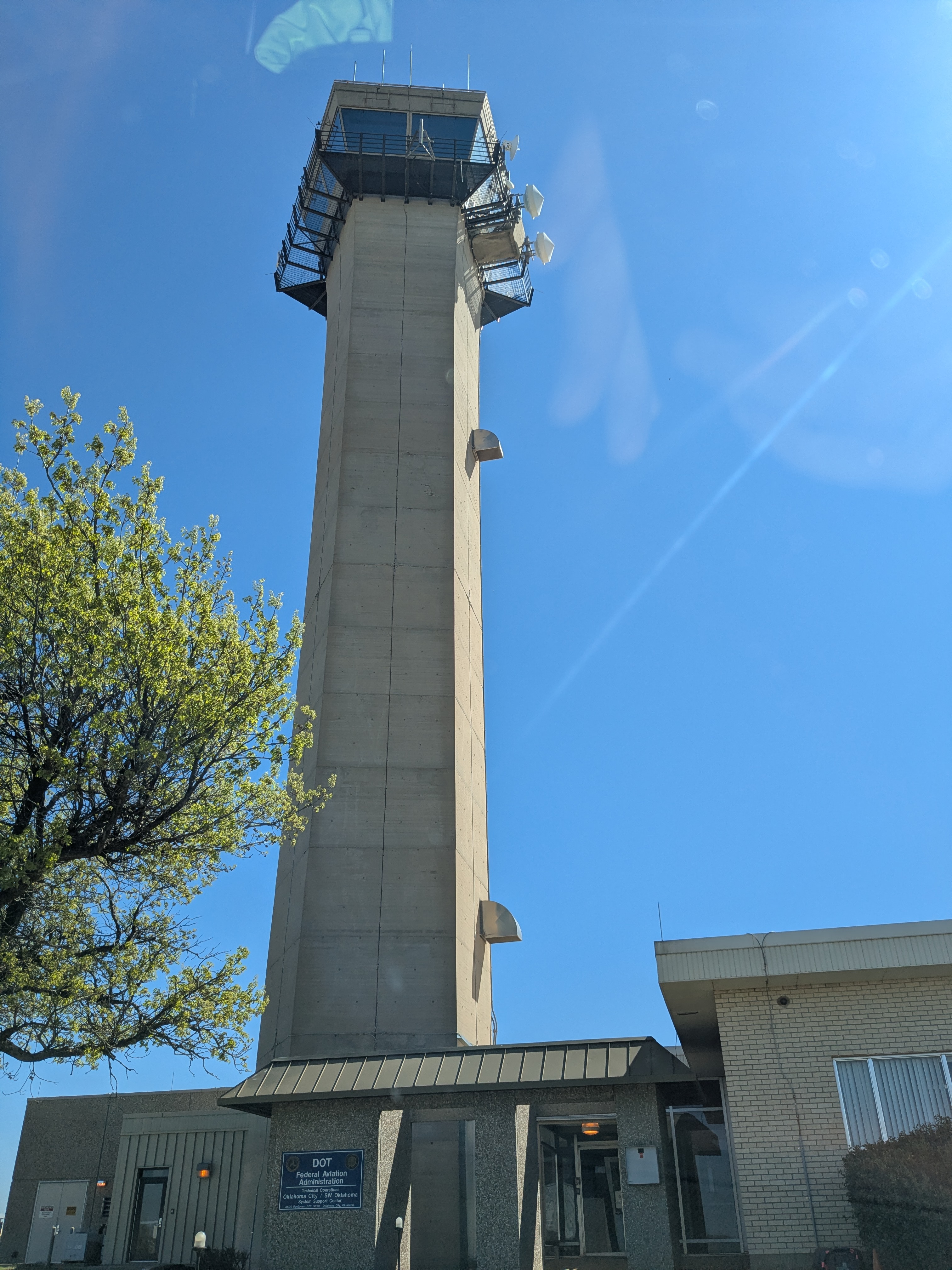
At a busy airport, every aircraft in the area shares just a handful of radio frequencies. Spectrum and time are constrained and if multiple people speak at once, both messages can get lost. …
At a busy airport, every aircraft in the area shares just a handful of radio frequencies. Spectrum and time are constrained and if multiple people speak at once, both messages can get lost. Communications like “clearance delivery,” which require long transmissions and readbacks, are challenging in high-traffic areas, particularly when weather or other factors require many aircraft to communicate with controllers at once. Going digital clears that channel for urgent, time-critical calls, among other things. And it’s the current practice at some airports, where pilots can confirm clearances with the touch of a button, that the response goes directly to the controller’s screen, and the updated information loads into their flight management system. Will Cummings-Grande, aerospace engineer with the Systems Analysis and Concepts Directorate based at NASA’s Langley Research Center, is leading technical work that centers around Communications Architecture and Performance for Digital Clearance in NASA’s Air Traffic Management and Safety (ATMS) project. He’s researching the next layer of digital clearance, extending that same logic down to taxi instructions on the ground, so that pushback timing, routing, and runway assignments could also arrive digitally rather than over the radio. …
Original source: NASA Breaking News