Best. Day. Ever. What does a good day in science look like?
Nature News ·
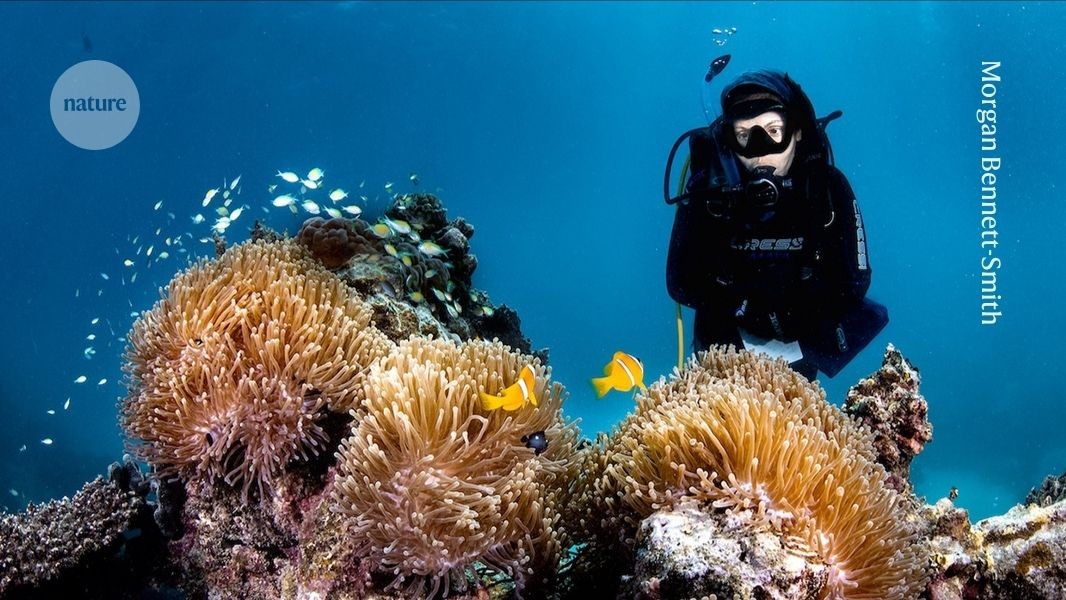
A good day This is the first of two articles about what makes for a good day in science. If you have an insight or anecdote to share, please get in touch at careersbriefing@nature.com. …
A good day This is the first of two articles about what makes for a good day in science. If you have an insight or anecdote to share, please get in touch at careersbriefing@nature.com. Science can be a slog: tedious, repetitive and maddening. Good days — the first moments after a newly discovered insight, holding an undescribed species or a student overturning a long-held assumption — are few and far between. But it’s these singular moments that remind researchers why they chose their career. Nature ’s careers team asked scientists what a good day in science looked like to them. Some anecdotes came through social media; others, we sought out. Good science days come in all shapes and sizes — from finding a dreamy location for a natural experiment to setting schoolchildren’s curiosity ablaze. RAQUEL PEIXOTO: Finding the perfect test bed Coral-reef biologist at the King Abdullah University of Science and Technology in Thuwal, Saudi Arabia. When I first moved to Saudi Arabia, I wanted to test whether applying beneficial microorganisms to the surface of corals could improve reef health in the field. In my mind, I knew the perfect design for an ideal, natural experimental reefscape. I wanted it to be a series of patchy reefs with a sandy bottom, so that each patch could serve to replicate my experiments. It also needed to be in shallow water, but protected so my colleagues and I didn’t have to worry about currents, and to have a wide diversity of coral species. …
Original source: Nature News
Mentioned
African · Octopus · Maryland · Baltimore · Saudi Arabia · Johns Hopkins University