Keir Starmer's party lost big in U.K. local elections. Here's what comes next.
NPR News ·
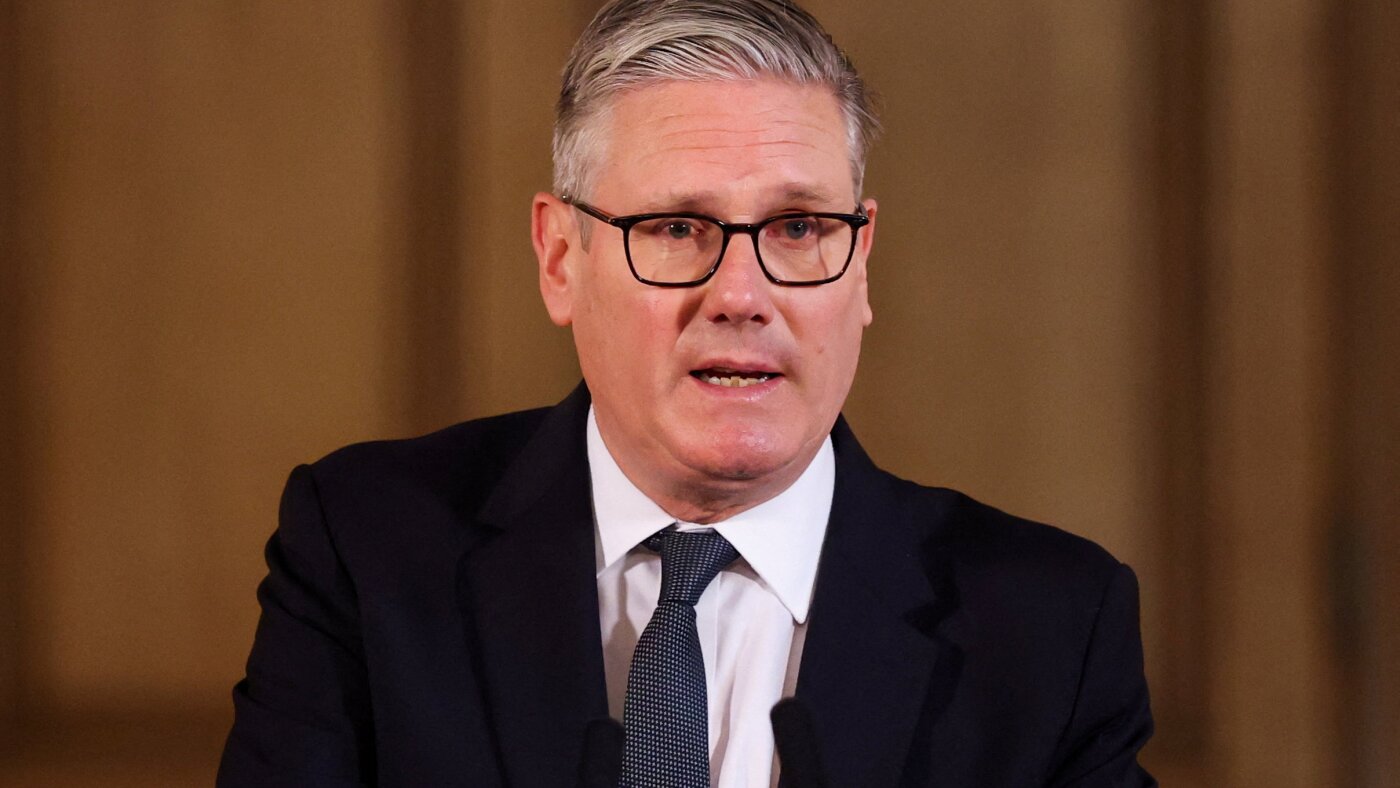
Britain's Prime Minister Keir Starmer speaks, during a meeting with leaders from across society to discuss tackling antisemitism, at Downing Street in London, Tuesday, May 5, 2026. …
Britain's Prime Minister Keir Starmer speaks, during a meeting with leaders from across society to discuss tackling antisemitism, at Downing Street in London, Tuesday, May 5, 2026. Hannah McKay/AP/Pool Reuters hide caption toggle caption Hannah McKay/AP/Pool Reuters U.K. Prime Minister Keir Starmer and his Labour party suffered major losses in elections held across Britain last week, resulting in multiple calls for Starmer to resign. The historic losses are a reflection of growing unpopularity with Starmer's tenure, which has been beset by a weak economy, backlash over his appointment of an ambassador with ties to Jeffrey Epstein, and a surge in antisemitism that has been declared a "national emergency." Starmer and his center-left Labour Party swept to power and defeated the center-right Conservative Party in July 2024. But less than two years later, Labour lost the most seats of any party in last week's regional elections. While Labour faltered, right-wing populist Reform UK, led by Nigel Farage – a Trump ally and central figure in the Brexit movement – made significant gains. Other groups, particularly the left wing Green Party, also recorded notable wins. As well as demonstrating voter dissatisfaction with Starmer, the local election results show that the United Kingdom, traditionally a two-party system, now has at least five major political forces. All will now be hoping to make gains in the general election, which will be held before May 2029. Here is what to know. …
Original source: NPR News
Mentioned
Keir Starmer · Nigel Farage · European Union · United Kingdom · Downing Street · Jeffrey Epstein · Conservative party · Christopher Harborne · Scottish National party