NASA, Industry Advance High Performance Spaceflight Computing
NASA Breaking News ·
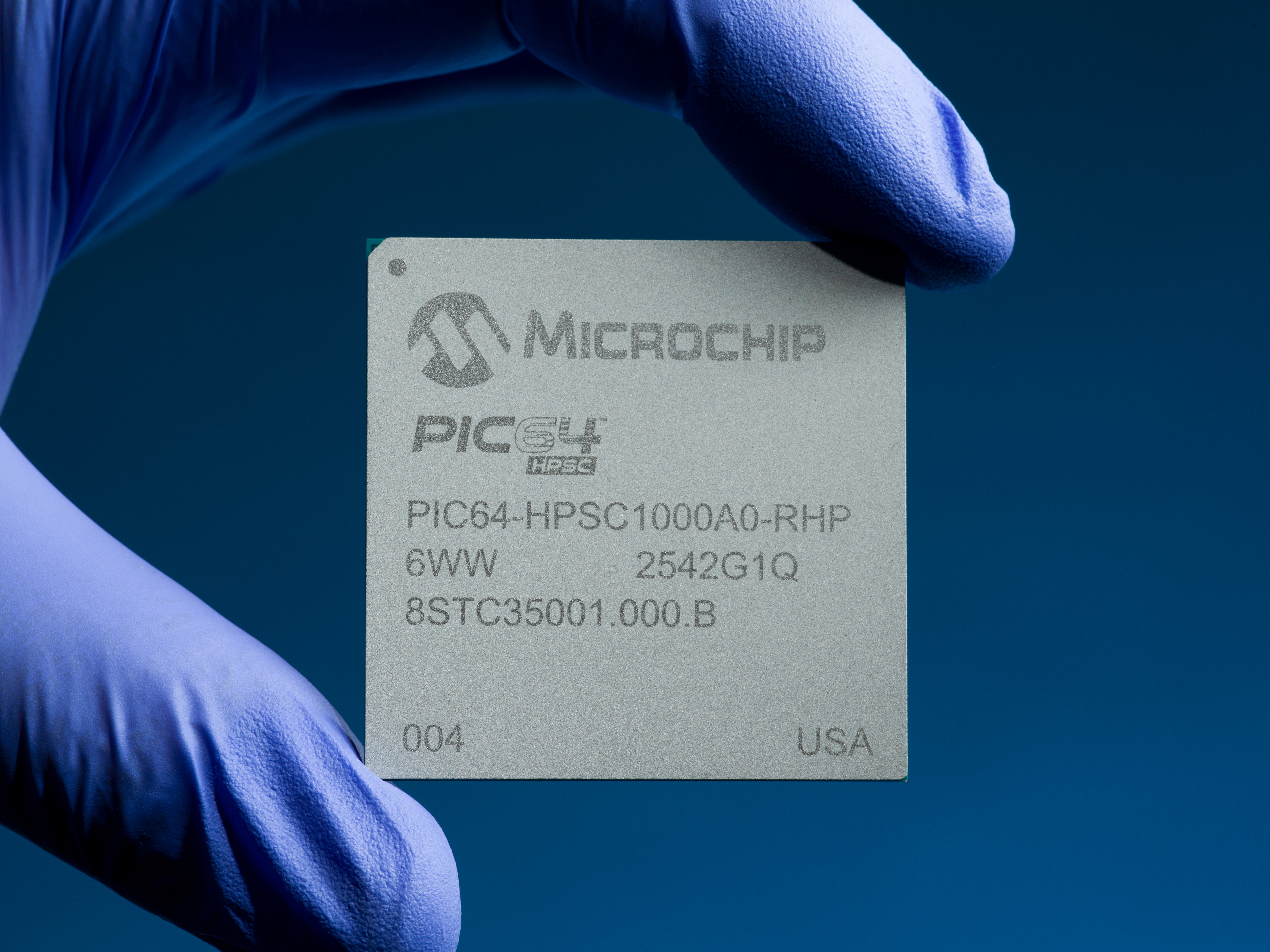
For decades, NASA has advanced on-board spacecraft computer processors that coordinate and execute the functions needed to support mission success. …
For decades, NASA has advanced on-board spacecraft computer processors that coordinate and execute the functions needed to support mission success. Space computing originated in the 1960s with the Apollo Guidance Computers, which were pivotal for guidance, navigation, and control computations during NASA’s first Moon missions. For decades, radiation-hardened processors have been the backbone of the agency’s space exploration missions. NASA has landed computers on other planets and operated them for years in extreme conditions, as demonstrated by the Mars rovers. These computer processors have also powered several NASA orbiters, capsules, and space telescopes. While legacy processors have enabled some of NASA’s greatest achievements, the next generation of space missions will increase in complexity and length, which will benefit from greater computing power, autonomy, and resilience. To meet the needs of this challenge, NASA and industry leader Microchip Technology Inc. entered a public, private partnership combining agency and commercial investments to develop a new solution: High-Performance Spaceflight Computing. The High-Performance Spaceflight Computing project is a next-generation system-on-chip that delivers over 100 times the computing capability of current space processors. By integrating computing and networking into a single device, this technology significantly reduces system cost and power consumption. …
Original source: NASA Breaking News
Mentioned
Mars · Virginia · Earth · United States · Moon · NASA · Hampton · Langley Research Center · Jet Propulsion Laboratory