DNA identifies four more crew members of doomed Franklin expedition
Ars Technica ·
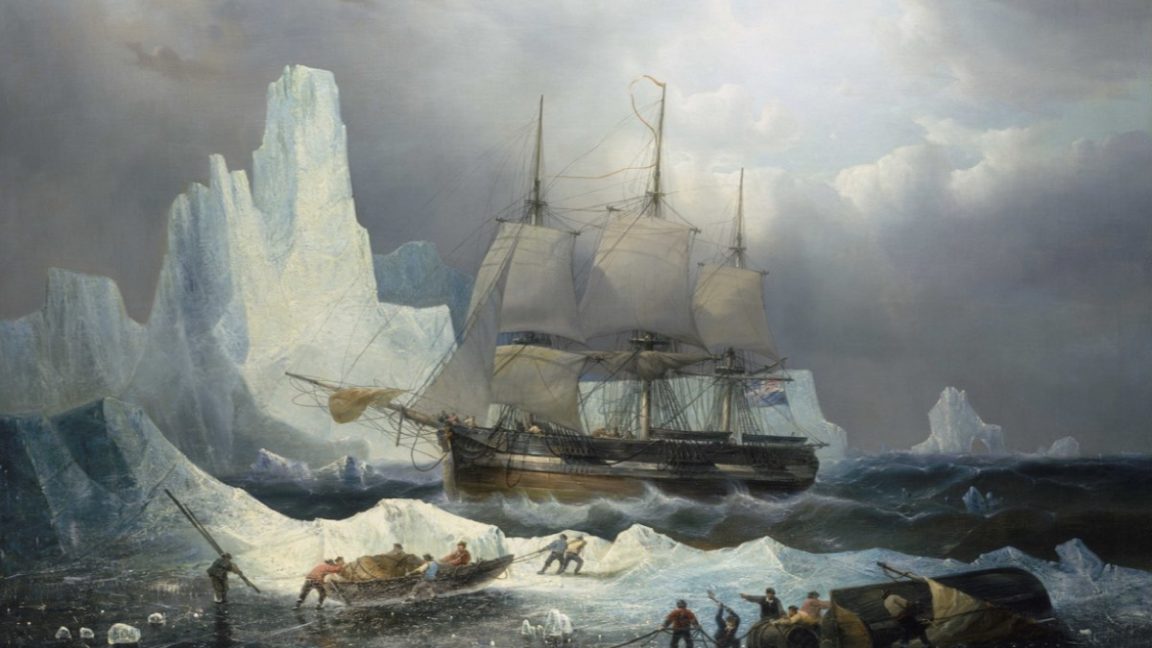
The actual shipwrecks of the HMS Erebus and the HMS Terror were not found until 2014 and 2016, respectively. Thanks to the cold water temperature, lack of natural light, and the layers of silt …
The actual shipwrecks of the HMS Erebus and the HMS Terror were not found until 2014 and 2016, respectively. Thanks to the cold water temperature, lack of natural light, and the layers of silt covering many of the artifacts, the ship and its contents were in remarkably good condition. Even some of the windowpanes were still intact. The first underwater images and footage showing the ships’ exteriors and interiors were released in 2019. It’s in the DNA 2D forensic facial reconstruction of David Young, Boy 1st Class from the HMS Erebus , who died at Erebus Bay. Credit:
Diana Trepkov 2D forensic facial reconstruction of David Young, Boy 1st Class from the HMS Erebus , who died at Erebus Bay. Credit:
Diana Trepkov For several years, scientists have been conducting DNA research to identify the remains found at these sites by comparing DNA profiles of the remains with samples taken from descendants of the expedition members. Some 46 archaeological samples (bone, tooth, or hair) from Franklin expedition-related sites on King William Island have been genetically profiled and compared to cheek swab samples from 25 descendant donors. Most did not match, but in 2021, they identified one of those bodies as chief engineer John Gregory, who worked on the Erebus. By 2024, the team had added four more descendant donors—one related to Fitzjames (technically a second cousin five times removed through the captain’s great-grandfather). …
Original source: Ars Technica