Scientists found 10,000 possible exoplanets hiding in NASA data
Space.com ·
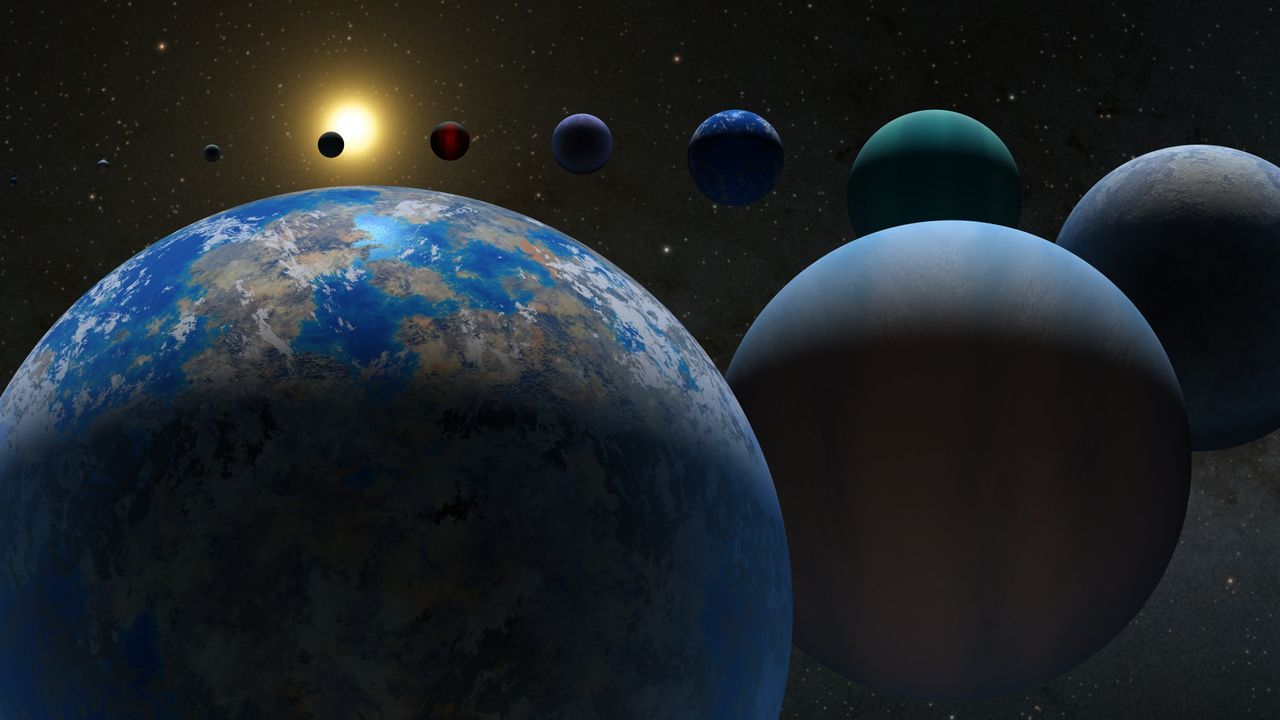
Using NASA data and machine learning, scientists have found over 10,000 possible new planets in a single survey. In a new study, researchers used machine learning to perform a sweeping survey of data …
Using NASA data and machine learning, scientists have found over 10,000 possible new planets in a single survey. In a new study, researchers used machine learning to perform a sweeping survey of data from NASA's exoplanet-hunting Transiting Exoplanet Survey Satellite ( TESS ). As a result, they and uncovered exactly 10,091 candidate planets that had never been seen before. To clarify, when planets beyond our solar system (otherwise known as exoplanets) are first spotted, they are considered "candidates" until they can be confirmed as such with the right amount of evidence. Some of these candidates might not end up being planets after all — some could end up being other objects or even just "noise" in the data. To date, humanity has discovered over 6,200 confirmed exoplanets, or planets outside of our solar system, according to NASA's Exoplanet Archive . But soon, thanks to all these new candidates, we could be adding a ton of worlds to the mix. This major haul of exoplanet candidates, however, may beg the question: Why haven't these thousands of planets been seen before? In fact, TESS has been operational since 2018, and has been continuing on its extended mission since 2020. Well, TESS operates by observing planets "transiting," or passing in front of, their stars. In other words, when an exoplanet is orbiting its star, at some point it will cross the face of the star from TESS' view. When this happens, the star appears to dim. …
Original source: Space.com
Mentioned
Jupiter · Princeton University · Astrophysical Journal · Nancy Grace Roman Space Telescope