Everyone’s a loser in Strait of Hormuz game that simulates global crisis
Ars Technica ·
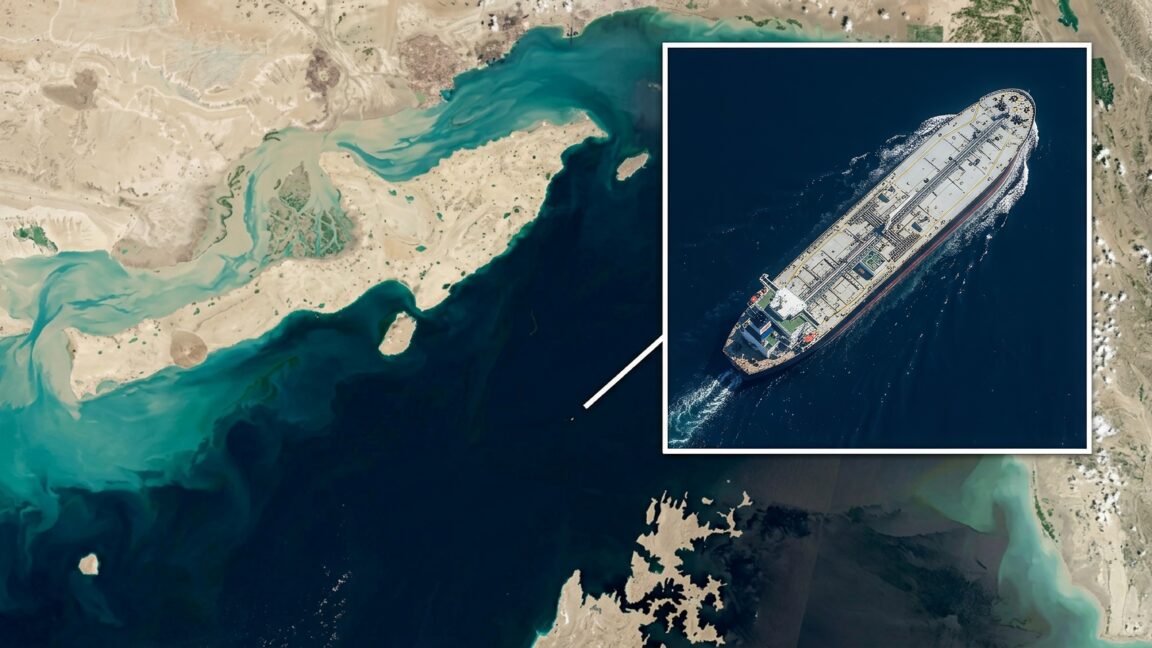
Playing a bad hand well That may sound like a lot to wrap your head around for a game that is playable in 15 to 20 minutes, but it’s a surprisingly accessible experience for the most part. …
Playing a bad hand well That may sound like a lot to wrap your head around for a game that is playable in 15 to 20 minutes, but it’s a surprisingly accessible experience for the most part. The game serves up plenty of explanations and news articles that you can click on to better understand the real-world context and in-game consequences. However, each ship approved for transit tends to carry a greater cost or trade-off as the game progresses over 10 playable days between March 3 and April 13, 2026. You have the choice of not sending any ships through the strait on any given day, but that can quickly lead to dismal endgame results, like “empty shelves” and “desalination collapse” for Gulf States facing food insecurity and a lack of fresh water from energy-starved desalination plants. A screenshot of the browser-based game Bottleneck based on the real Strait of Hormuz crisis. A screenshot of the browser-based game Bottleneck based on the real Strait of Hormuz crisis. Credit: Jakub Gornicki / jakubgornicki.com If you manage to muddle through and keep all the factions from spiraling, the endgame results still provide plenty of charts and numbers to remind you that the real-life Strait of Hormuz crisis is far from over. Even squeezing through several dozen ships over 10 days—the best-case shipping scenario in the game—remains a far cry from the pre-war average of 130 ships passing through the strait each day. …
Original source: Ars Technica
Mentioned
Gulf states · Hormuz · AI