NASA's Artemis 2 astronauts saw flashes on the far side of the moon that cameras struggle to capture. Here's why scientists are excited
Space.com ·
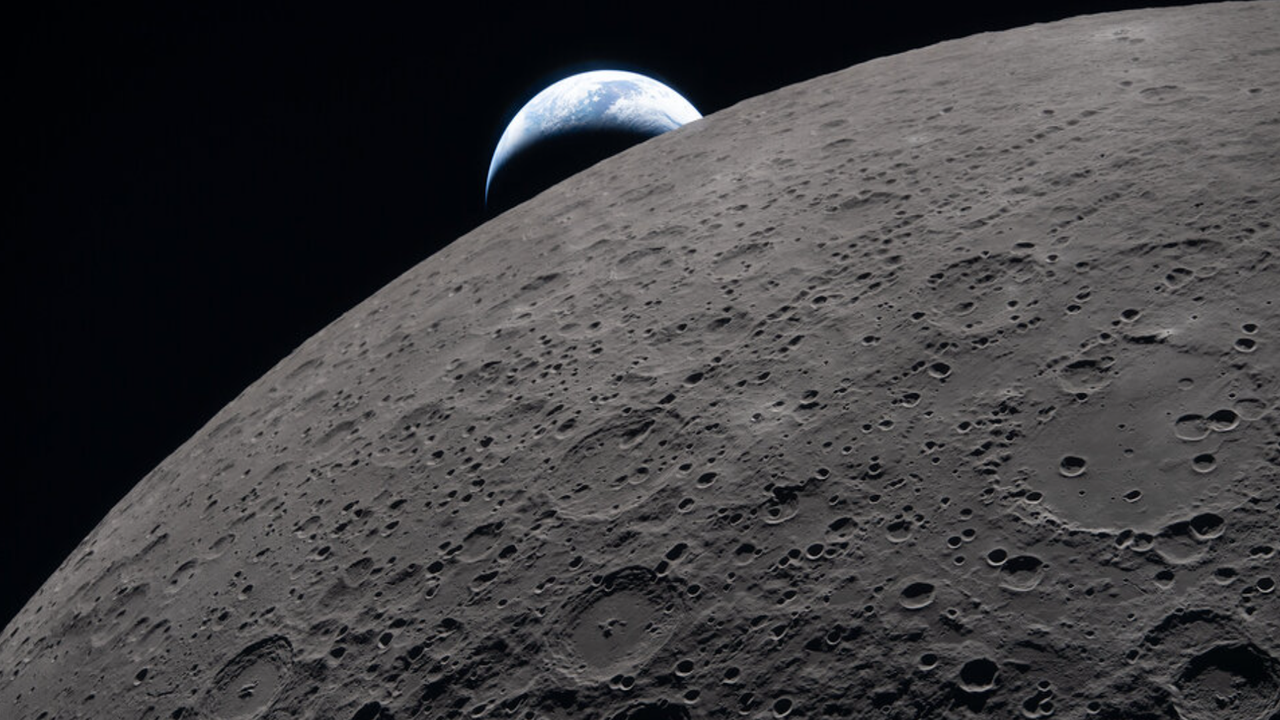
The Artemis 2 astronauts remained vigilant while zipping around the far side of the moon last month, on the ready to record meteoroid impact flashes on the lunar landscape. …
The Artemis 2 astronauts remained vigilant while zipping around the far side of the moon last month, on the ready to record meteoroid impact flashes on the lunar landscape. Their diligence was rewarded. The four crewmembers reported seeing several impact flashes — flickers of light created when a meteoroid hits the lunar surface and vaporizes. "These observations were made with the unaided eye. It's extremely difficult to capture impact flashes with a camera, which is one of the benefits of sending trained crew to observe the moon ," Molly Wasser, media lead for the Planetary Science Division at NASA Headquarters, told Space.com. "Early data indicates that the impact flashes were observed on the far side of the moon ." Citizen scientists help out Artemis 2 , the first crewed moon flight since Apollo 17 in 1972, launched from Florida's Space Coast on April 1 and flew around the far side of the moon on April 6 . As the astronauts scrutinized the moon that day, so did citizen scientists here on Earth. They were also looking for impact hits, although they would likely not have spotted the same ones as the crew. Those observations were gathered as part of the newly launched Impact Flash citizen science project under the auspices of the Geophysical Exploration of the Dynamics and Evolution of the Solar System ( GEODES ), a unit within the NASA Solar System Exploration Research Virtual Institute. …
Original source: Space.com