650 NASA Volunteers Have Co-Authored Scientific Papers
NASA Breaking News ·
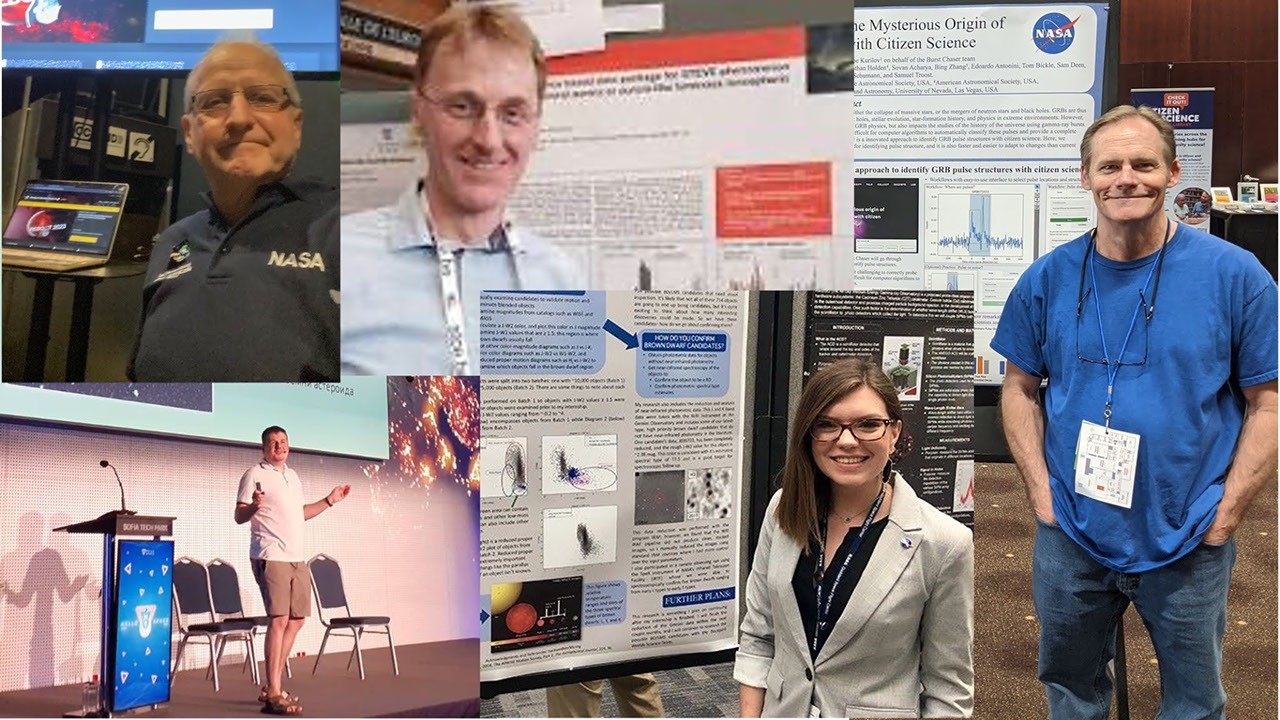
After a recent count, NASA Citizen Science is proud to report that more than 650 people who have volunteered to participate in NASA citizen science projects have co-authored peer-reviewed research …
After a recent count, NASA Citizen Science is proud to report that more than 650 people who have volunteered to participate in NASA citizen science projects have co-authored peer-reviewed research papers with scientists on those project teams. These volunteers made incredible contributions like: And all of them saw their passion and dedication translated into lasting contributions to the scientific literature that will inform generations of researchers to come. Explore these frequently asked questions and discover how you, too, can be a part of scientific discovery and become a co-author. Why do peer-reviewed research papers matter? When scientists make a discovery, they write up the details of their research and its results in a manuscript and submit it to a scientific journal. The journal’s editors subject the manuscript to the ‘peer-review’ process, in which they invite other scientists to verify and validate the methods used and the novelty and importance of the results. Peer-reviewed research papers are the primary way scientists document what they discover or learn and share it with each other and the world. Once a paper passes the peer-review process, it is published where other scientists can read it, criticize it, and build on it. Contributing to published scientific literature is an important and celebrated part of a scientific career – for PhD scientists and citizen scientists alike. …
Original source: NASA Breaking News