NASA is making a powerful new ion engine to send astronauts to Mars — and it just passed its 1st test
Space.com ·
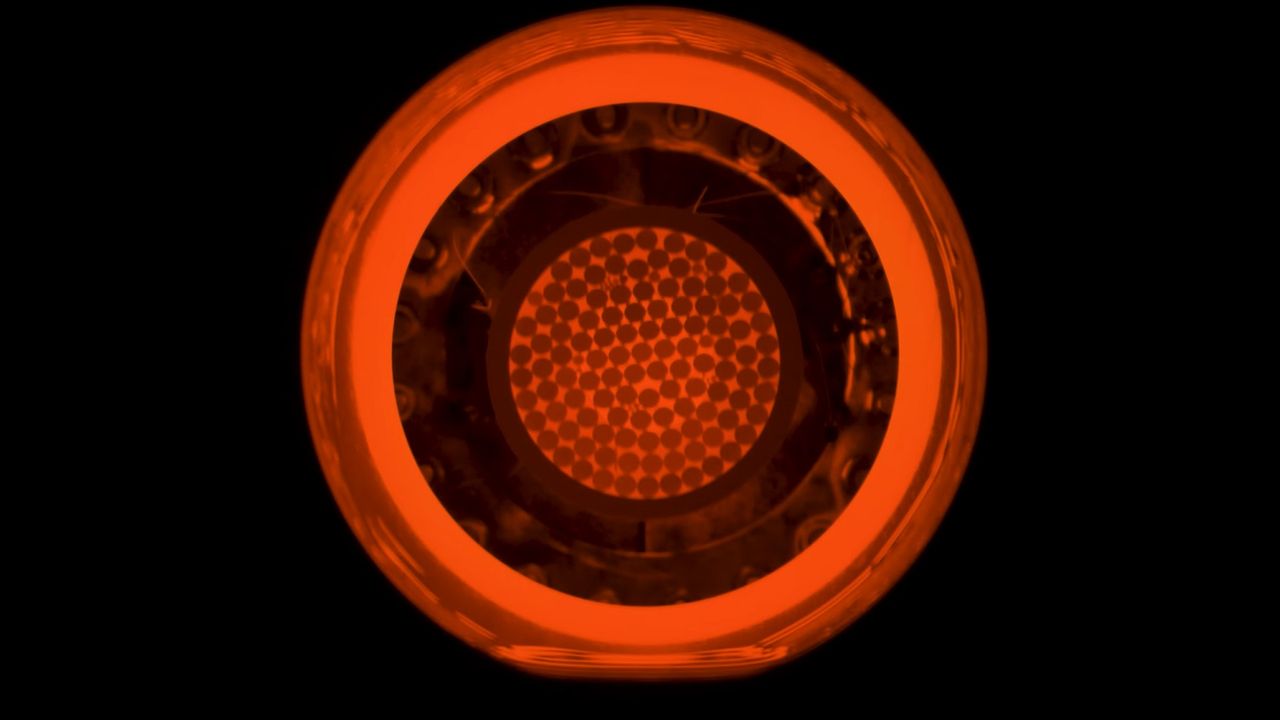
A new ion engine has been tested in a lab, proving itself to be 25 times more powerful than NASA's current state-of-the-art one. This advanced technology could one day assist humans in reaching Mars. …
A new ion engine has been tested in a lab, proving itself to be 25 times more powerful than NASA's current state-of-the-art one. This advanced technology could one day assist humans in reaching Mars. Ion engines are very different to the usual sort of thrusters that burn chemical propellant. Using electromagnetic fields, they accelerate ions — charged atoms — out through a nozzle to provide thrust, hence they are often described as using "electric propulsion." Though they are slow at first, these engines' thrust can build up incrementally to achieve high velocities, and because they use 90% less propellant than chemical rockets, ion engines also reduce the mass of a spacecraft and make launch less expensive. Currently, the most powerful ion engine on a spacecraft belongs to NASA's Psyche mission to the asteroid of the same name. Its engine has been able to ramp up to a velocity of 124,000 miles (200,000 kilometers) per hour. "This marks the first time in the United States that an electric propulsion system has operated at power levels this high, reaching up to 120 kilowatts," NASA administrator Jared Isaacman said in a statement . "We will continue to make strategic investments that will propel that next giant leap." In many cases, the ion propellant of these engines is xenon gas, but researchers have been experimenting with ion engines that operate using metallic plasmas. …
Original source: Space.com
Mentioned
Mars · JPL-Caltech · United States · Skyfall · Jared Isaacman · Jet Propulsion Laboratory