How fertilizer shortages caused by the energy crisis threaten food security
Nature News ·
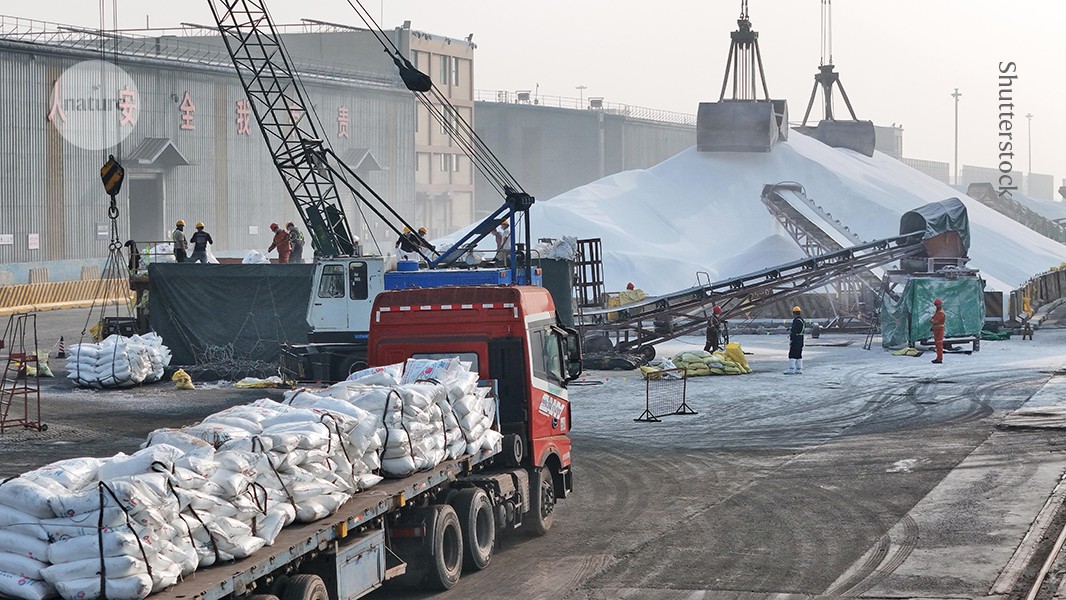
Since March, war in the Middle East has disrupted global fertilizer markets. Urea prices jumped by nearly 46% in a month, as geopolitical and energy shocks hit nitrogen supply chains 1 . …
Since March, war in the Middle East has disrupted global fertilizer markets. Urea prices jumped by nearly 46% in a month, as geopolitical and energy shocks hit nitrogen supply chains 1 . The disruptions caused by blocked maritime bottleneck s, including the Strait of Hormuz, limiting tanker movements and flows of oil and liquefied natural gas, underscore the coupled nature of global energy and food systems. As a result of the crisis, the World Food Programme has warned that global food systems are under severe strain, with more than 360 million people facing acute food insecurity in 2026 and tens of millions at risk of famine (see go.nature.com/48jygpd ). These dynamics echo the fertilizer crisis of 2022 , when Russia’s invasion of Ukraine decreased ammonia production across Europe — at times by more than half — and drove nitrogen fertilizer prices to record highs (see ‘Fertilizer shortfalls’). The recurrence of this pattern of an energy shock causing fertilizer disruption and food insecurity exposes a systemic vulnerability that must urgently be addressed. Source: go.nature.com/3gha59s Fertilizer production needs to be recognized as crucial infrastructure for ensuring food security. Meanwhile, the agricultural sector must reduce its dependence on volatile energy markets through precise nutrient management and diversified production technologies. …
Original source: Nature News
Mentioned
Russia · Ukraine · Saudi Arabia · Africa · Middle East · Hormuz · Jordan · Kuwait · Latin America · United Arab Emirates