Why were galaxies so active in the early universe? We may be getting close to the answer
Space.com ·
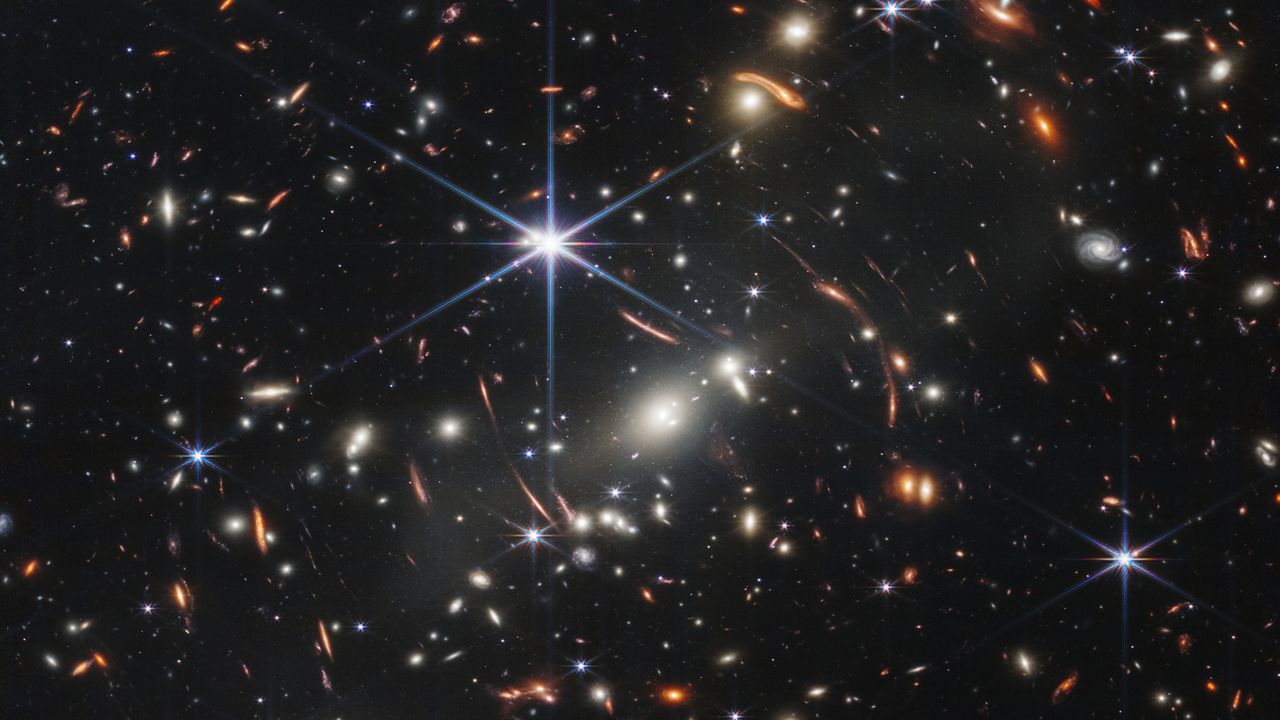
In its infancy, the universe had a bit of an identity crisis. For the first few hundred million years, the vast cosmic gas between galaxies was primarily a chilly, dense affair. …
In its infancy, the universe had a bit of an identity crisis. For the first few hundred million years, the vast cosmic gas between galaxies was primarily a chilly, dense affair. But then, it seemed to wake up, deciding to get all warm and fuzzy. This strange shift in the cosmos’ early disposition is a crucial clue to how the very first galaxies burst into being, shaping everything we see today. The early universe, a mere whisper after the Big Bang , just a few hundred million years old — that's when the first stars and galaxies were starting to flicker on, like fairy lights across a cosmic dark. The fuel for all this grand production: gigantic clouds of gas, mostly hydrogen. Astronomers have always suspected these baby galaxies were busy, but new glimpses from the James Webb Space Telescope are showing them to be even brighter and larger than our wildest dreams. They're like finding teenagers sitting in a kindergarten class, way ahead of their expected development. This cosmic precociousness means our existing models of how galaxies form might need a serious tune-up. We thought we had a pretty good handle on how gas falls into dark matter halos, cools down, and then ignites into stars . But the JWST data suggests a much more aggressive, faster-paced star-making frenzy in those early days. …
Original source: Space.com