In many states, election-denying candidates are running to control voting
NPR News ·
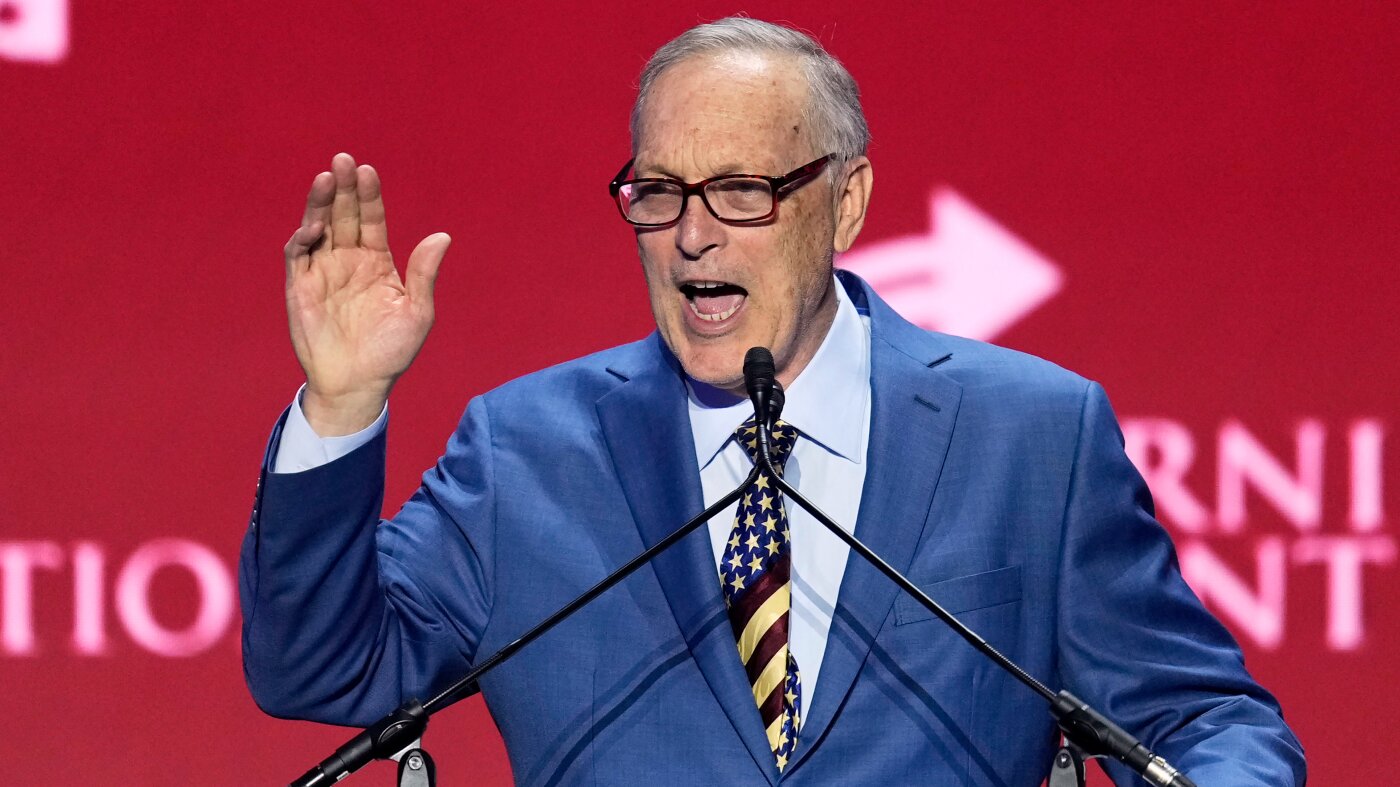
Rep. Andy Biggs, R-Ariz., speaks at a Turning Point USA event in Phoenix on April 17. Biggs, who is running for governor in Arizona, voted not to certify the 2020 election as a member of the U.S. …
Rep. Andy Biggs, R-Ariz., speaks at a Turning Point USA event in Phoenix on April 17. Biggs, who is running for governor in Arizona, voted not to certify the 2020 election as a member of the U.S. House. Ross D. Franklin/AP hide caption toggle caption Ross D. Franklin/AP Lost in the shuffle of the 2026 midterms — the unprecedented mid-decade redistricting, President Trump's sagging favorability numbers and Democrats' hopes of retaking the House and potentially the Senate — is an election story that could have implications for 2028 and beyond. In 23 states, including five presidential swing states, candidates who have denied election results are running for offices that will have a direct role in certifying future elections. That is according to a new analysis , shared exclusively with NPR ahead of its release, by States United Action, a nonprofit that seeks to protect elections and has been tracking candidate positions on the validity of election results since 2022. …
Original source: NPR News