Spaceflight is hard on the heart, yet artificial ones grow better in space than on Earth
Space.com ·
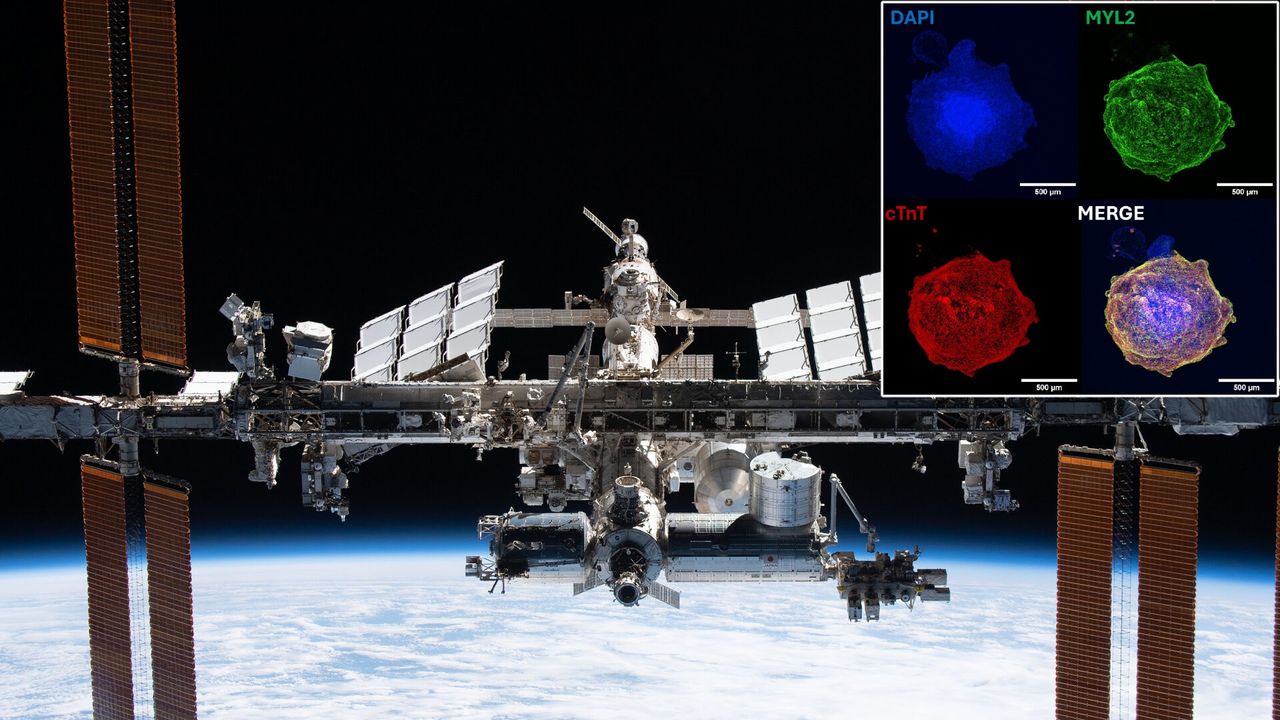
The human heart shrivels away in space, but researchers have found that mini-hearts grown from human stem cells sprout in space significantly faster than in labs on Earth. …
The human heart shrivels away in space, but researchers have found that mini-hearts grown from human stem cells sprout in space significantly faster than in labs on Earth. Weird things happen to astronauts' hearts in microgravity . Without the sense of up and down, the flow of blood in the body changes. More of the fluid gathers in the head, and there is suddenly less of it not just in the legs but also in the heart itself. Not having to push the body against the resistance of gravity , the heart shrinks, weakens and even changes its shape, becoming more circular. Even heart muscle cells flown in petri dishes to the International Space Station (ISS) deteriorate. Their ability to contract declines and their metabolism changes. Yet, when researchers tried to grow human mini-hearts from stem cells on board the ISS, they found they could produce them more easily and in higher quantities, Arun Sharma, director of the Center for Space Medicine Research at Cedars-Sinai hospital in Los Angeles, told Space.com. "On one side, you have things that have already been made before that are being exposed to low gravity and potentially deteriorating and getting weaker over the course of being exposed to microgravity," Sharma said. "On the other side, you are actually making those things from scratch in space. …
Original source: Space.com
Mentioned
Earth · NASA · Toronto · Los Angeles · International Space Station