7 things nobody tells you about stargazing (that make a huge difference)
Space.com ·
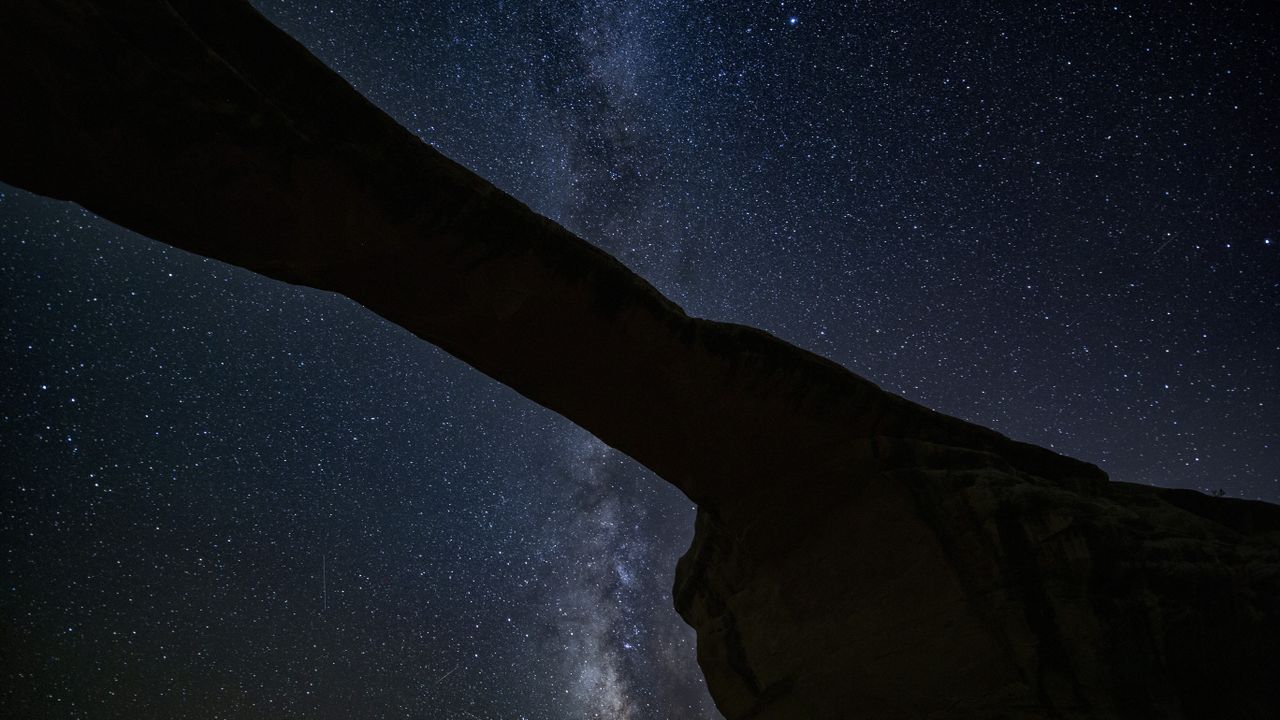
A few years ago, a friend came back from Jordan in September and told me I'd got it wrong. "I went to that desert you told me about but I didn't see many stars," he said. This was awkward. …
A few years ago, a friend came back from Jordan in September and told me I'd got it wrong. "I went to that desert you told me about but I didn't see many stars," he said. This was awkward. I'd been very specific. Wadi Rum is one of the best places on Earth for stargazing and to see the Milky Way — vast, dry, high and almost completely free of light pollution. I'd painted a picture of it: a river of starlight arching over the desert. "I mean, there were stars," he added. "But no Milky Way . Just a really bright moon." And there it was. He hadn't gone to the wrong place. He hadn't gone in the wrong season — September is an ideal time to see the Milky Way. He'd gone during the "wrong" moon phase. Humans adore the full moon , but few appreciate how it changes the rest of the night sky. It's nature's biggest light polluter. There's really no point poring over light pollution maps or carefully choosing a Dark Sky Place if you ignore the phases of the moon , because if it's bright, it will overwhelm all but the brightest stars . Work and family schedules often dictate when travel has to take place, of course, but if I have the choice, I never travel to dark skies in the week before a full moon because it dominates the sky all evening. A week after our conversation, I was in the Four Corners region of the U.S., standing in Natural Bridges National Monument Dark Sky Park , a few nights before a new moon . …
Original source: Space.com
Mentioned
Earth · United States · NASA · Jordan · JPL-Caltech