'Decimate' means much more today than it did in ancient Rome
NPR News ·
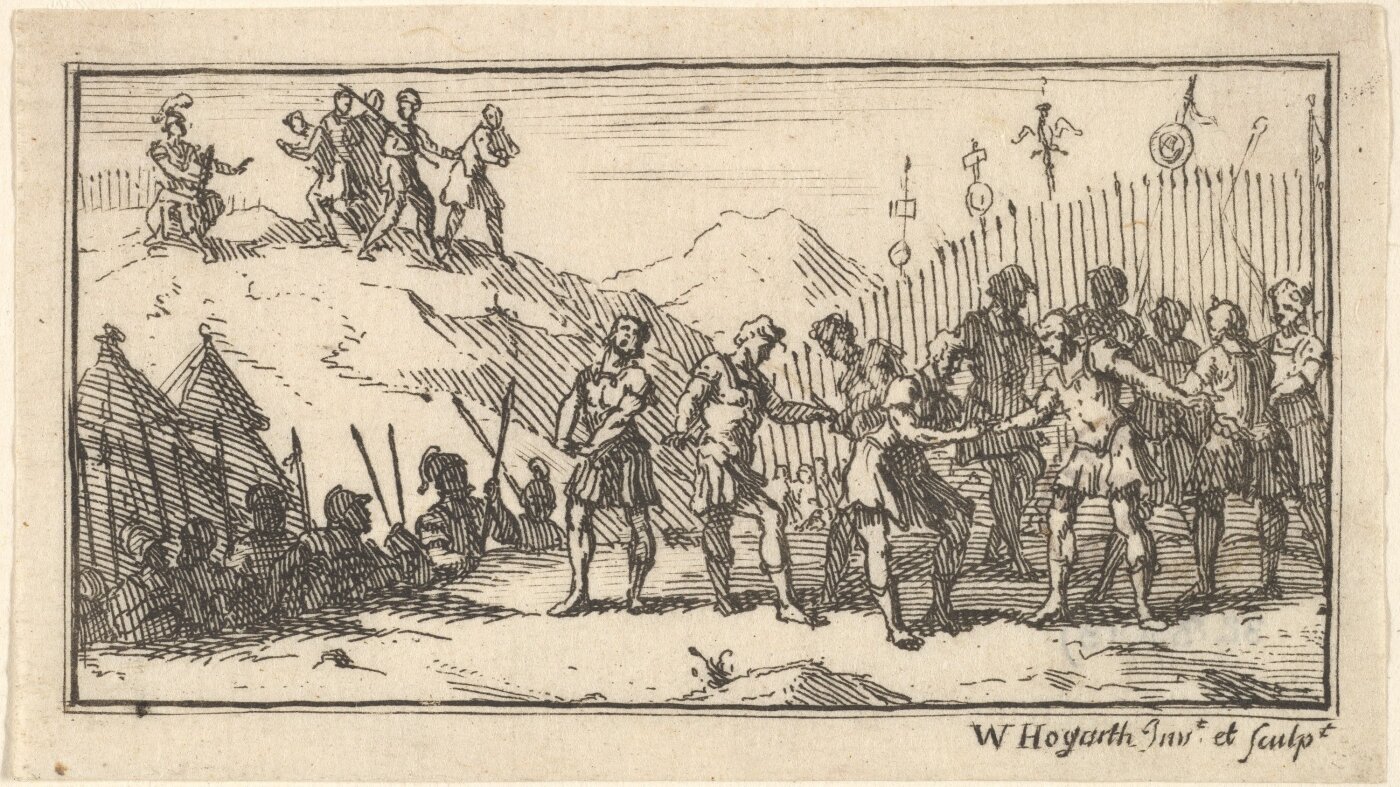
A depiction of a Roman decimation. William Hogarth/Wikipedia Commons hide caption toggle caption William Hogarth/Wikipedia Commons If you've been following the news lately, you might have noticed …
A depiction of a Roman decimation. William Hogarth/Wikipedia Commons hide caption toggle caption William Hogarth/Wikipedia Commons If you've been following the news lately, you might have noticed that a certain word has suddenly become a favorite of President Trump's: "decimate." He has used it a lot to describe U.S. military action against Iran. Take, for example, part of his April 1 address to the nation about Operation Epic Fury: "We've beaten and completely decimated Iran. They are decimated both militarily and economically." Today, most people know the word as a synonym for "destroy." But fewer realize its origins — or that it's come to mean something strikingly different than it once did. Michiel de Vaan, an etymologist at the University of Basel in Switzerland, says decimate traces back to the Latin decimatio, by way of decimus, meaning a tenth. In its original Latin form, decimatio "meant to take out and kill one-tenth of a group of soldiers," he says. It meant something very specific — a brutal form of discipline, not a vague notion of widespread destruction, de Vaan notes. A "decimation" was a punishment meted out by the legionaries of the Roman army on their own comrades "in cases where an entire group of soldiers had typically been guilty of something like cowardice on the battlefield," according to Gregory Aldrete, a professor emeritus of history at the University of Wisconsin-Green Bay. …
Original source: NPR News
Mentioned
Iran war · Stanford University · University of Wisconsin-Green Bay