Genome pioneer Craig Venter dies: here’s how he transformed science
Nature News ·
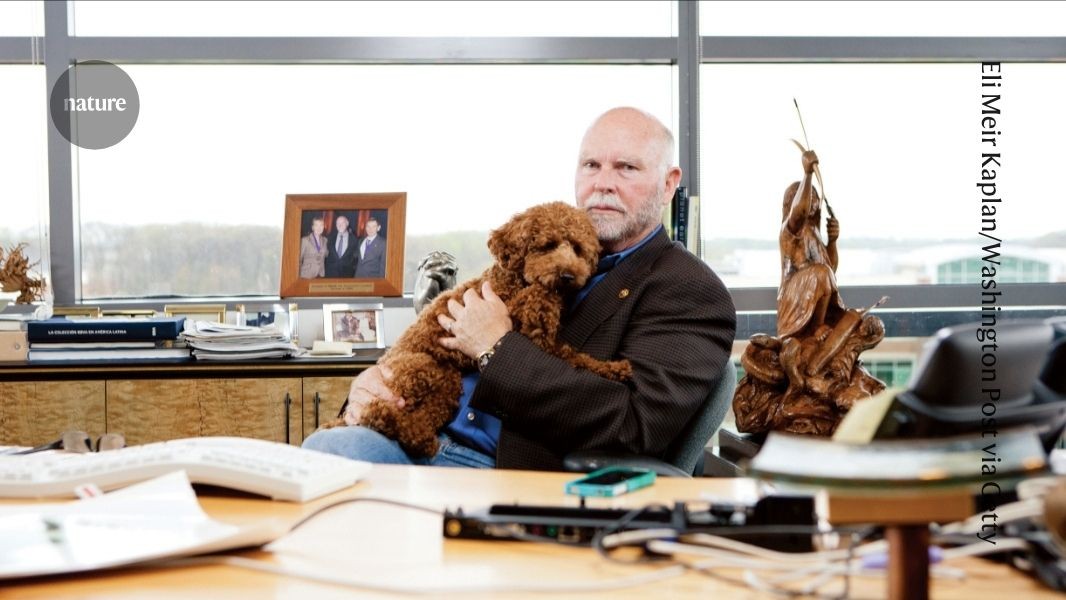
The ‘maverick’ scientist Craig Venter — who led a race to decode the human genome, pioneered a genome-sequencing method still used today, created the first organisms with synthetic genomes and sailed …
The ‘maverick’ scientist Craig Venter — who led a race to decode the human genome, pioneered a genome-sequencing method still used today, created the first organisms with synthetic genomes and sailed around the world recording microbial diversity — died on 29 April, aged 79. Venter is most well-known for leading a commercial effort to generate the first human genome sequence in the 1990s, racing against the US$3 billion global, publicly funded Human Genome Project (HGP). But Venter’s scientific legacy extended well beyond the ‘genome wars’, say scientists who knew, admired and competed with him. “He is a true pioneer and maverick who revolutionized genomics by enabling new sequencing methods and trying to create synthetic cells,” says Tae Seok Moon, a synthetic biologist at the research centre Venter founded in 2006, the J. Craig Venter Institute (JCVI) in La Jolla, California. “It's a huge loss for all genomics and synthetic biology researchers.” Shotgun sequencing Venter’s scientific career started in academic and government labs, where he developed a way to uncover functional genes, one of the first applications of automated DNA sequencing 1 . In 1992 he co-founded the Institute for Genomics Research (TIGR) in Gaithersburg, Maryland with microbial genomicist Claire Fraser (to whom he was married for 23 years). In 1995, their team generated the first-ever genome sequence of free-living organism, the 1.8 million DNA letters of the bacterium Haemophilus influenzae 2 . …
Original source: Nature News