Scientists to return to Fukushima — this time to study disaster recovery
Nature News ·
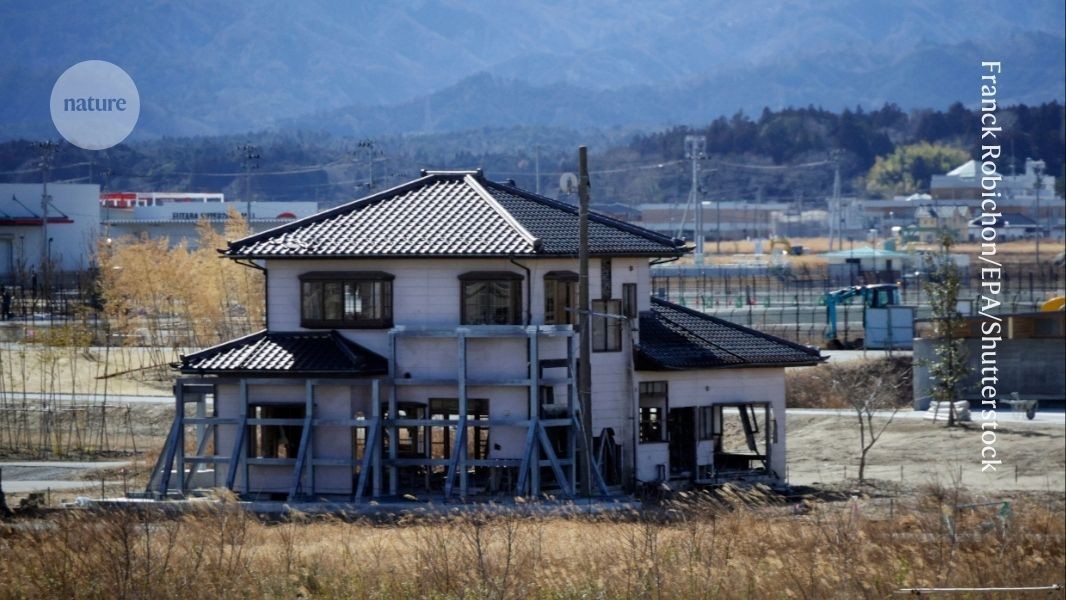
Radiation levels in roughly 2% of the Fukushima region, about 300 square kilometres, are unsafe for people. Credit: Franck Robichon/EPA/Shutterstock Fifteen years after Japan’s worst nuclear-power …
Radiation levels in roughly 2% of the Fukushima region, about 300 square kilometres, are unsafe for people. Credit: Franck Robichon/EPA/Shutterstock Fifteen years after Japan’s worst nuclear-power accident, construction is under way in Fukushima for a research institute that will focus on robotics, agriculture, the medical uses of radiation and environmental recovery from nuclear disasters. The Fukushima Institute for Research, Education and Innovation (F-REI) is being built in Namie, a small town that was evacuated because of concerns about radiation exposure following the 2011 accident at the Fukushima Daiichi power plant in Fukushima Prefecture. In March of that year, a magnitude-9 earthquake off the coast of Japan’s main island triggered a massive tsunami that caused widespread devastation along the coastline, and damaged cooling infrastructure at the nuclear power plant. This led to the meltdown of three reactors and the release of radioactive isotopes, including caesium-137. Nearly 20,000 people were killed during the earthquake and tsunami, and about 164,000 people were evacuated owing to concerns about radiation exposure. Since then, the Japanese government has been decontaminating areas exposed to radiation, progressively lifting evacuation orders as areas become safe to live in and rebuilding infrastructure. …
Original source: Nature News
Mentioned
Japan · Melbourne · Australia · Deb · Perth · RMIT University